Extension Cables 101: Understanding Voltage and Amps
Introduction
Extension cables are essential tools in today's world where we rely heavily on electronic devices. However, not all extension cables are created equal. Understanding the basics of voltage and amps is crucial when using extension cables to ensure safety and optimal performance. In this blog post, we will delve into the fundamentals of voltage and amps in extension cables.
1. What is Voltage?
Voltage is the measure of electrical potential difference between two points. In simple terms, it is the force that pushes electricity through a conductor. Voltage is measured in volts (V) and different devices require different voltages to operate effectively. Using an extension cable with the correct voltage rating is crucial to prevent damage to your devices and ensure safety.
2. What are Amps?
Amps, short for amperes, measure the rate of flow of electricity in a circuit. It is the amount of electric current passing through a conductor at a given point in time. Amps are essential in determining the amount of power a device consumes. Using an extension cable with the correct amp rating is crucial to prevent overheating and potential fire hazards.
People Also Look For:
- TechRise 3.5mm Audio Aux Cable1.5m Nylon Braided Stereo Jack for Headphones, iPod, iPhone, iPad, Car, Soundbar, TV, PC, Speaker - ...
- BlueRigger Dual Shielded Subwoofer Audio RCA Cable with Gold plated connectors -2 Meters
- Mr. Tronic White Cat 6 Ethernet Cable 100m, LAN Ethernet Network Cable with RJ45 Ends Connectors, Internet Compatible with Cat 7 /...
- Cube Extension Lead with USB Slots, 4 Way Multi Plug with 2 USB A and 1 USB C Ports, UK Power Strip Surge Protected Extension Towe...
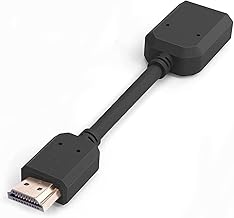
- HDMI Extension Cable 4K@60Hz HDMI 2.0 Extender HDMI Male to Female Adapter 1080P @144Hz for Fire TV Stick, Roku Stick, Blu-Ray, Xb...
3. Matching Voltage and Amps
When choosing an extension cable, it is important to match the voltage and amp ratings of the cable with those of your devices. Using an extension cable with a lower voltage or amp rating than required can lead to underperformance or damage to your devices. On the other hand, using a cable with a higher voltage or amp rating than required can also cause damage due to overloading.
4. Types of Extension Cables
There are different types of extension cables available in the market, each designed for specific purposes. Some common types include indoor extension cables, outdoor extension cables, heavy-duty extension cables, and surge-protected extension cables. It is important to choose the right type of extension cable based on your needs and the environment in which it will be used.
5. Safety Tips
When using extension cables, there are a few safety tips to keep in mind. Avoid overloading the extension cable with too many devices, as this can lead to overheating and potential fire hazards. Do not run extension cables under carpets or rugs, as this can cause overheating and create a fire risk. Regularly inspect extension cables for any signs of wear or damage, and replace them if necessary.
By understanding the basics of voltage and amps in extension cables, you can ensure the safety and optimal performance of your devices. Choosing the right extension cable with the correct voltage and amp ratings, and following safety tips will help you make the most of your electronic devices while keeping them safe.